
To guarantee a smooth ticketing experience, your system should use virtual queues to manage high demand and prevent crashes, giving everyone a fair chance. You also need strong anti-bot tools like CAPTCHA and behavioral analysis to stop automated scripts from hijacking the sale. Handling ticket drops transparently with real-time updates keeps users informed and reduces frustration. If you want to learn how these components work together for reliable sales, keep exploring further.
Key Takeaways
- Virtual queueing systems manage high demand, ensuring fair access and preventing server overload during ticket sales.
- Anti-bot tools like CAPTCHA, behavioral analysis, and device fingerprinting detect and block automated purchase attempts.
- Real-time updates and transparent messaging inform users about ticket availability and prevent confusion during drops.
- Handling ticket drops involves timely communication, load balancing, and infrastructure designed for peak traffic periods.
- Integrating queues, drop management, and anti-bot measures maintains system stability, fairness, and enhances user trust.
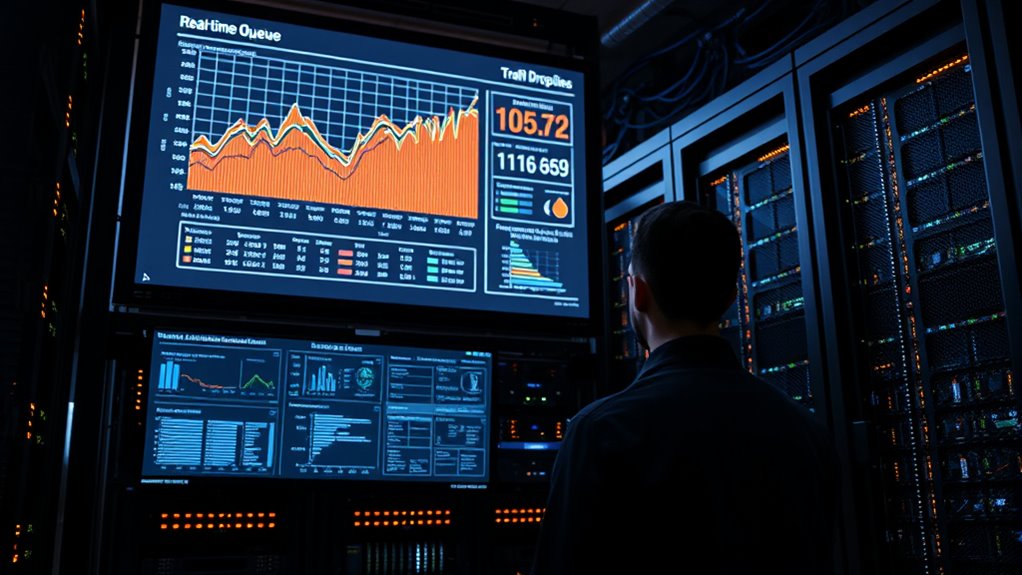
A robust ticketing back-end is essential for managing event sales efficiently and providing a seamless experience for users. When you’re handling high-demand events, virtual queueing becomes a crucial tool. It allows you to manage large volumes of ticket requests without overwhelming your servers or causing site crashes. Instead of letting users flood your site and face frustration, the virtual queue holds them in line, giving each person a fair chance to purchase tickets when it’s their turn. This system reduces server overloads and improves user satisfaction, ensuring everyone feels fairly treated. Proper implementation of virtual queueing also helps you gather data on peak traffic times, so you can better prepare for future events.
Equally important is integrating effective bot detection measures into your ticketing system. Automated bots can flood your platform with fake requests, snagging tickets meant for genuine fans and skewing sales data. They can also cause site crashes and create an unfair environment for real buyers. To prevent this, you need advanced bot detection tools that analyze user behavior, IP addresses, and request patterns. When suspicious activity is detected, these tools can block or challenge the user, stopping malicious automation in its tracks. Incorporating CAPTCHA challenges, device fingerprinting, or behavioral analysis can further strengthen your defenses. The goal is to ensure that your tickets go into the hands of genuine fans, maintaining fairness and integrity in your sales process.
Your back-end must also be capable of handling sudden drops in ticket availability, often caused by high demand or technical issues. When tickets sell out faster than expected, your system should communicate transparently with users, managing expectations without causing confusion or frustration. Properly managed drops involve real-time updates and clear messaging, which can be facilitated through your back-end infrastructure. This way, when tickets are sold out, users are promptly informed, reducing site congestion and preventing multiple purchase attempts that could overload your system. Additionally, integrating juice cleanse and detox principles, such as clear communication and maintaining system health, can help in managing user expectations during high-demand periods.
In essence, a well-designed ticketing back-end combines virtual queueing, robust bot detection, and real-time updates to create a reliable, fair, and user-friendly platform. These elements work together to streamline sales, protect against automation abuse, and keep your customers satisfied. When you prioritize these features, you not only enhance the efficiency of your ticketing process but also build trust and loyalty among your audience. With the right setup, you can confidently handle high traffic, minimize technical issues, and deliver a smooth purchasing experience from start to finish.
Frequently Asked Questions
How Do Anti-Bot Tools Distinguish Between Real Users and Bots?
Anti-bot tools distinguish between real users and bots by analyzing behavioral patterns and using fingerprinting techniques. You’ll notice they track how quickly and consistently actions are performed, detecting unnatural behaviors. Fingerprinting gathers device, browser, and IP data to create unique profiles. When behavior or fingerprints seem suspicious, the system flags or blocks the activity, ensuring genuine users get through while bots are kept out.
What Are the Best Practices for Managing Queue Congestion During High Demand?
To manage queue congestion during high demand, you should implement dynamic scaling to increase server capacity on the fly, ensuring smooth handling of spikes. Use priority routing to prioritize genuine users, reducing frustration and dropout. Combining these strategies helps balance load effectively, minimizes wait times, and maintains a positive user experience even during peak times. Regularly monitor system performance to adjust scaling and routing rules proactively.
How Do Ticket Drops Impact User Experience and Brand Reputation?
Imagine the thrill of scoring tickets, but sudden drops can turn into a nightmare. Ticket scarcity and user frustration spike, risking your brand’s reputation. When tickets drop unexpectedly, users feel cheated and disappointed, leading to negative reviews and lost trust. You must balance excitement with fairness, ensuring drops are transparent and well-managed. Otherwise, your brand risks long-term damage, and loyal fans might turn away forever.
Can Queue Systems Be Integrated With Mobile Apps Effectively?
Yes, queue systems can be integrated effectively with mobile apps. You should implement mobile app integration that seamlessly connects your queue system, allowing users to see their position in line in real-time. Use push notifications to keep users informed about updates, drops, or their turn. This approach improves user experience by reducing frustration and increasing engagement, ultimately strengthening your brand’s reputation for reliability and responsiveness.
What Are Common Pitfalls in Implementing Ticketing Anti-Bot Measures?
Did you know that over 60% of ticketing sites experience bot-related issues? When implementing anti-bot measures, common pitfalls include relying too heavily on captcha challenges, which frustrate genuine users, and neglecting IP rate limiting, allowing bots to flood queues. To succeed, balance security with user experience by combining multiple strategies, so you prevent bots without turning away real customers.
Conclusion
As you navigate the bustling ticketing back-end, imagine a finely tuned system where queues flow smoothly, drops are minimized, and anti-bot tools act like vigilant gatekeepers. You’re the conductor of this digital symphony, ensuring genuine fans pass through while automated thieves are kept at bay. With each tweak and safeguard, you craft a seamless experience—like a well-oiled machine—turning chaos into order, so every ticket finds its rightful owner, ready to enjoy the moment.